
Contents
- 🎯 Introduction to AI in Healthcare
- ⚖️ Class Action Lawsuits and AI
- 📊 Key Statistics and Trends
- 👥 Key Players and Organizations
- 🌎 Global Impact and Regulations
- 🤖 AI in Healthcare
- 📈 Future Outlook and Predictions
- 📊 Practical Applications and Solutions
- 📚 Related Topics and Deeper Reading
- Frequently Asked Questions
- References
- Related Topics
Overview
The application of artificial intelligence in healthcare has been gaining momentum, with AI-powered medical devices and software being used to analyze and understand complex medical data. For instance, a study published in the Journal of the American Medical Association found that AI-powered diagnostic tools can sometimes misdiagnose patients, leading to serious health consequences.
⚖️ Class Action Lawsuits and AI
Class action lawsuits related to AI in healthcare are becoming more common, with patients seeking compensation for damages. Expert lawyers and advocacy groups play a crucial role in helping patients navigate the complex legal landscape and holding manufacturers accountable for their actions. Organizations like the American Medical Association are working to establish guidelines and regulations for the development and use of AI in healthcare.
📊 Key Statistics and Trends
Key players and organizations in the field of AI in healthcare include Google, Microsoft, and IBM, which are investing heavily in AI research and development. Other notable organizations include the National Institute of Health and the Food and Drug Administration, which are working to establish guidelines and regulations for the development and use of AI in healthcare.
👥 Key Players and Organizations
The global impact and regulations of AI in healthcare are complex and multifaceted, with different countries having different approaches to regulating the use of AI in healthcare. For example, the European Union's General Data Protection Regulation provides a framework for protecting personal data, including health data. In contrast, the United States has a more fragmented approach to regulating AI in healthcare, with different states having different laws and regulations.
🌎 Global Impact and Regulations
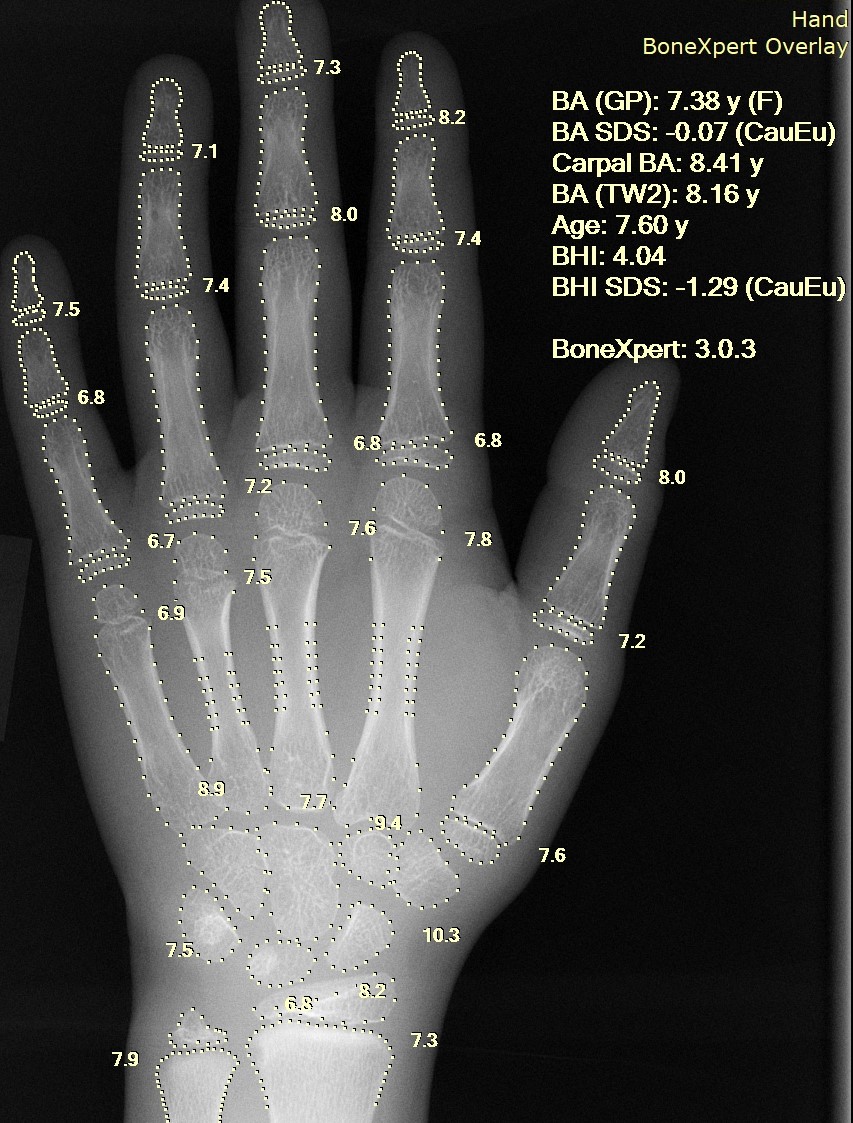
AI-powered medical devices and software can analyze and understand complex medical data. This can help improve patient outcomes and reduce healthcare costs.
🤖 AI in Healthcare
The future outlook and predictions for AI in healthcare are promising, with the potential for AI to improve patient outcomes. As AI becomes more prevalent in healthcare, it is essential to establish guidelines and regulations for its development and use.
📈 Future Outlook and Predictions
Practical applications and solutions for AI in healthcare include the use of AI-powered medical devices and software to analyze and understand complex medical data.
📊 Practical Applications and Solutions
Related topics and deeper reading on AI in healthcare include the use of machine learning and deep learning in healthcare, as well as the potential for AI to improve healthcare access and health disparities.
Key Facts
- Year
- 2025
- Origin
- Global
- Category
- product-liability
- Type
- concept
Frequently Asked Questions
What is AI in healthcare?
AI in healthcare refers to the use of artificial intelligence to analyze and understand complex medical data.
What are the practical applications and solutions for AI in healthcare?
Practical applications and solutions for AI in healthcare include the use of AI-powered medical devices and software to analyze and understand complex medical data.
What are the related topics and deeper reading on AI in healthcare?
Related topics and deeper reading on AI in healthcare include the use of machine learning and deep learning in healthcare, as well as the potential for AI to improve healthcare access and health disparities.
How can AI improve patient outcomes?
AI can improve patient outcomes by analyzing complex medical data and providing personalized treatment recommendations.
What are the potential risks and benefits of AI in healthcare?
The potential benefits of AI in healthcare include improved patient outcomes and reduced healthcare costs. However, the potential risks are still being studied and debated.